
Writing a Neighborhood Profile

July 27, 2008 by Esther  

Imagine if you were a future homebuyer purchasing in an area you were not familiar with. Being able to read different neighborhood profiles would give you a better understanding of the area and help you choose the location that meets your needs. Writing neighborhood profiles is an excellent way to give your audience an abundance of information they will want. From a search engine standpoint, it’s also an excellent way to incorporate keyword rich search term’s into your site to help in getting better rankings.

Looking for suggestions on what to write about? Take these items into consideration, but don’t feel like you have to do them all. Start with the basics and follow up with additional posts to give more information and fresh content.

Demographics:
Extremely helpful neighorhood information would be the local demographics i.e. unemployment figures, population, seasonal climate, and so on. Look to your local government office for this type of information or better yet, look for websites online that offer demographic information.

Market Data:
Include some basic information about the average cost of homes in a neighborhood. This will give visitors an idea of what homes typically sell for and helps give them a better idea of what to expect. For example: Homes in this neighborhood typically range from $250,000 to $500,000. Instantly a potential buyer would know if they see a home for sale at $800,000 – they may want to research it further as it appears that home is at the top of the market. For more information on the benefits of adding more complete market reports, visit our article on The Value of Writing Market Reports.

Informative Maps:
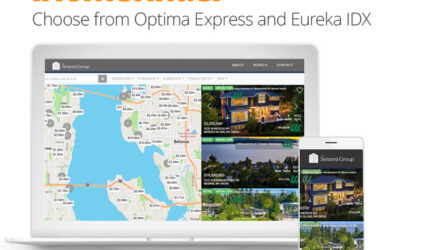
Adding graphical maps is also a great way of offering more information. If you can, include a small map showing the neighborhood in relationship to other places that your audience may or may not know about i.e. the beach, ski resorts, downtown, shopping etc. It is another great way of giving your audience perspective. Google Maps is a good source for mapping. Take a screenshot of the map once you are zoomed into your desired location. Save it to your desktop (using Print Screen). You can then resize, crop and dress up the image using Picnik, a great online photo editing web site. Another idea is to use Google or UMapper to create an interactive map that can be added to your page.

Include Photos:
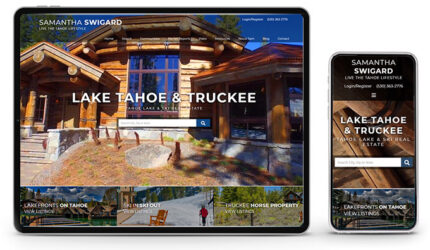
Photos of homes, hot spots and landmarks will give your audience an even better idea of the neighborhood. Consider not just images of local homes, but also hot spots i.e. beaches, ski resorts, shopping centers etc. I recommend using The NextGen Gallery plugin that helps create a stylish photo gallery of images as demonstrated on our demo site: Heavenly Valley Neighborhood profile.

Don’t under estimate the value of neighborhood profiles. They are one of the best subjects you can write about. It is a great way to demonstrate your knowledge of the area, increase your visibility in the search engines and keep people coming back, as you continually provide fresh content that relates to the area.

Heavenly Valley Neighborhood Profile Screenshot

If you enjoyed this post, make sure you subscribe to my RSS feed!

SEO – Quick Start

July 25, 2008 by Mark  

As you add content to your site you will want to keep some key ideas in mind to help your site rank better in the search engine results pages. Your main goal should be to provide great content that will benefit your visitors and will be something they want to share with others. You also want your content to appeal to the search engine so others can find you as well.

Most sites that rank well have a few things in common, plenty of ‘relevant’ content for the search engines to index, many other websites linking to them (the more popular the website, the more valuable the link), and to some degree ‘age’. Getting other people to link to you is a topic for another post. For now, we want to focus on letting you know what you can do on your site to improve your odds.

First, lets take a quick look at what search engines will be primarily looking at on your website.

  • The official ‘Title’ of your page. Does the Title include the keyword phrase you are trying to rank for?
  • The Meta Description of your page. This is found in the html code and is what shows under the Title of your website on the search engine result pages. Does your description include the phrase you are trying to rank for?
  • Keywords. Although, this is thought to be of little value to search engines. Some believe it is not used at all.
  • Content. Does the content support the claim that your Title makes about what can be found on this page? Is there just a brief amount of copy or does the page contain significant content about your subject?
  • Links. Are links on your pages descriptive of what can be found on your site?

SEO Sreenshot Overview

The Title (50 characters or so) is what people see first when scanning the search engine result pages, so you want this to grab their attention and make them want to click through to your site. Just under the title is your meta description (140 characters or so). The meta description should be a more detailed explanation of what can be found on your page as this will be the second thing visitors look at if they are not convinced by your title or any other title they see.

SEO Results Screenshot

SEO Results Screenshot

So, when writing a post for your site, be sure to keep these items in mind. This is by no means a complete list and if anyone wants to offer other suggestions we will gladly add them (provided we can find some supporting data).

  • Determine what keyword phrases you anticipate people will use when searching for sites like yours. Keep the phrase short and specific to what you want to rank for, but not too specific so that no one ever enters that phrase. Don’t hurry through this step, take the time to pick the best phrases. Use different pages, such as Neighborhood profile pages, to target more specific keyword phrases. To help research this consider using Google Adwords Keyword Tool and / or SEO Book’s keyword suggestion tool.
  • Include the keyword phrase you wish to be found for in the Title of your page / post. By default, your WordPress website will display the Title of your page / post in the Title bar of the browser.
  • Include your keyword phrase in the meta description of your page. By default, WordPress doesn’t give you a way to edit the description on your site. If you are interested in manipulating your Title and Description, we suggest the All in One SEO Plugin. You can find a link to this plugin on our Top Plugins page.
  • Include the keyword phrase in the body of your page. Try to write about 200-300 words in each post. Include your keywords at least 2-3 times on the page (but don’t overdo this and don’t make it look forced). For a great explanation on how this works, be sure to read this article “SEM Bootcamp: How Search Engines See Keywords“.
  • When linking to other pages on your site use keyword phrases in your link text. For example, if you are writing about the real estate market in Roseville and wanted to link to an existing page on your site about Roseville Foreclosures – create a link to your foreclosure page using the keyword phrase Roseville Foreclosures rather than …. for Roseville Foreclosures click here. Don’t overdo this, keep your links to 2-3 per post.

Again, these suggestions are the basic strategy you want to keep in mind as you add content to your site. We can’t stress enough that you don’t want to obsess with this, and your primary focus should be on writing great content that visitors will find useful and informative. By providing great, relevant content, search engine rankings should improve naturally and visitors will want to keep coming back.

Resources:

  • Google’s SEO Starter Guide – Google has done a nice job of explaining the basic best practices of on-site optimization. Since this is published by Google themselves, it will help give you peace of mind that these are acceptable things you should do. Be sure to download and read the “Search Engine Optimization Starter Guide” found on their SEO Starter Guide page.
  • SEO 101 by Website Helpers – This goes over the basics of search engine optimization then discusses in more detail. The table of contents is located on the left side of the page so you can easily jump to the section you are most interested in if you don’t want to read it all.
  • Search Engine Ranking Factors – Several search engine optimization professionals discuss their opinion regarding the effectiveness of over 50 different criteria that search engines consider.

If you enjoyed this post, make sure you subscribe to my RSS feed!

Where To Get Quality Photos

July 20, 2008 by Esther  

You have spent the money and time to get a website developed that gives you a professional appearance…so take the time and add photos that show your attention to detail and professionalism. Sure, you can surf the web for 20 minutes (or more) and try to find images you can legally use on your site for free, but we would suggest getting an account with iStockPhoto. iStockPhoto has a very large collection images that you can search by keywords and typically cost $1 for you to legally use on your site. The time you will save alone is worth the cost and the site is easy to use.

The following are stock photograpy sites that professional web and print designers say offer “the best selection” of images are :Stock Photography Sites

Other sites designers feel offer photos for “the best value” are :

Once you have your photo, be sure to check out our tutorial on using Picnik to help put a professional drop shadow or edge effect on it to make it pop!

Keep in mind, you don’t want to just use any photo you find on the web without getting permission first. In general, using images from another website without permission is illegal.

If you enjoyed this post, make sure you subscribe to my RSS feed!